

Download Details
- Version
- 8.2.12-0 (latest)
- File size
- 150.28 MB
- License
- Free
- Security scan
- VirusTotal: 68 of 68 engines say OK (0 flagged)
- SHA-256 checksum
12e818ce5aec79fe646606df3a80b35da865ec0213646ad7c92044dcfcec7535- Developer
- Apache Friends
- Supported OS
- Windows 11, Windows 10, Windows 7, Windows 8.1
- Installers
- 64-bit (x64), 32-bit (x86), Offline
- Downloads
- 24539
- Rating
- 4.1 out of 5 · 118 reviews
- File name(s)
- xampp-windows-x64-8.2.12-0-VS16-installer.exe
 Reviewed by Mohamed Zaki
Tested on Windows 11 and 10 · · How we review
Screenshots
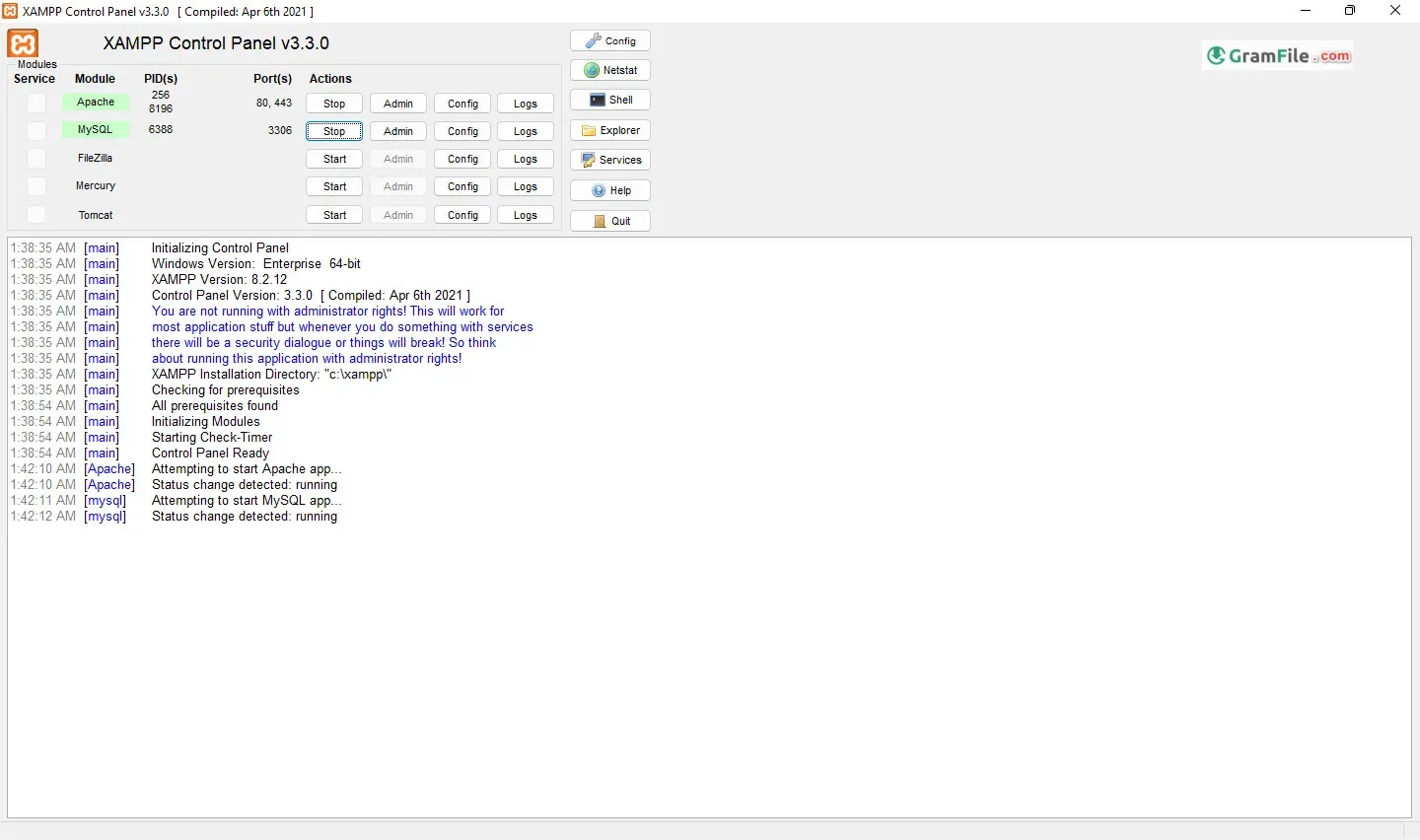
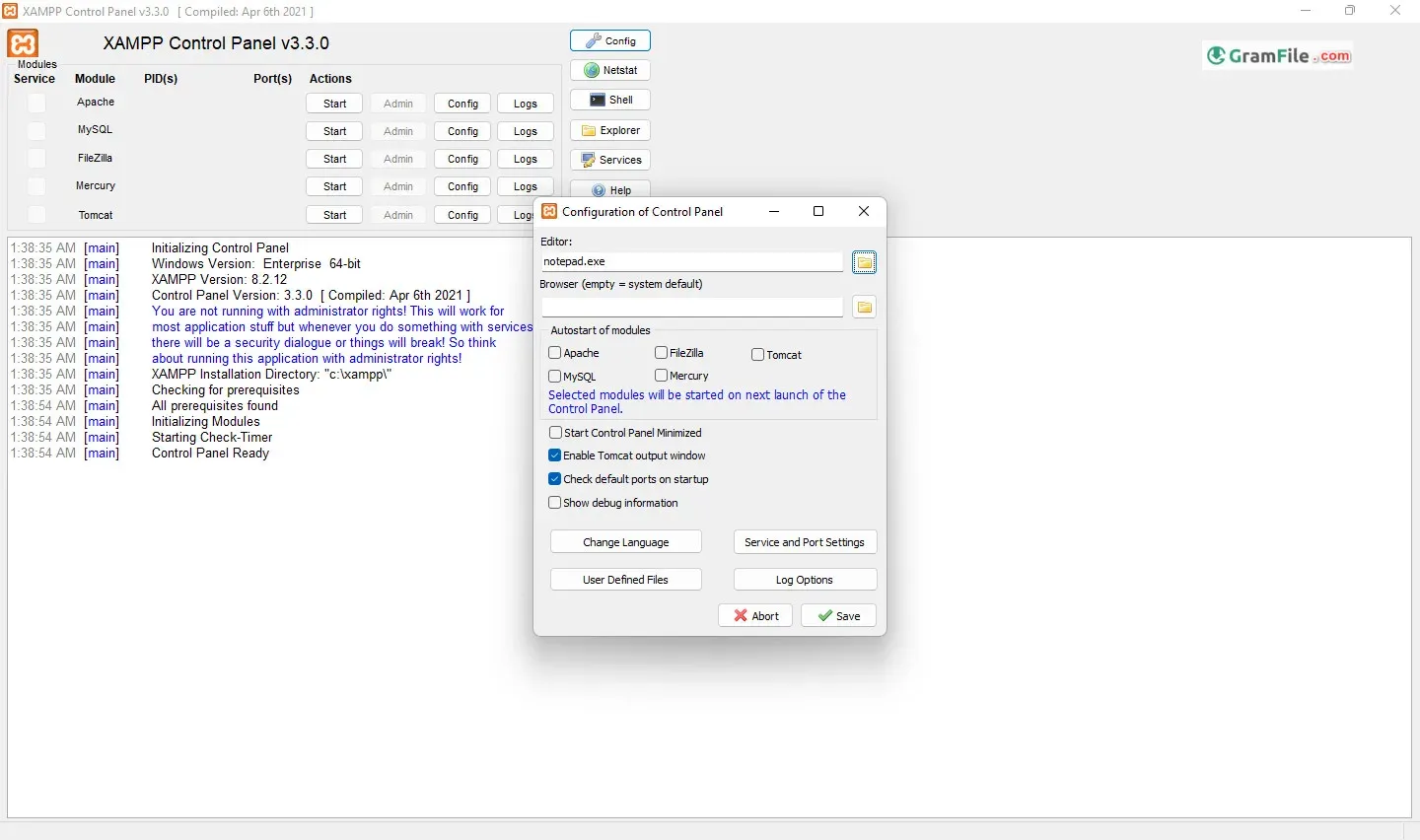
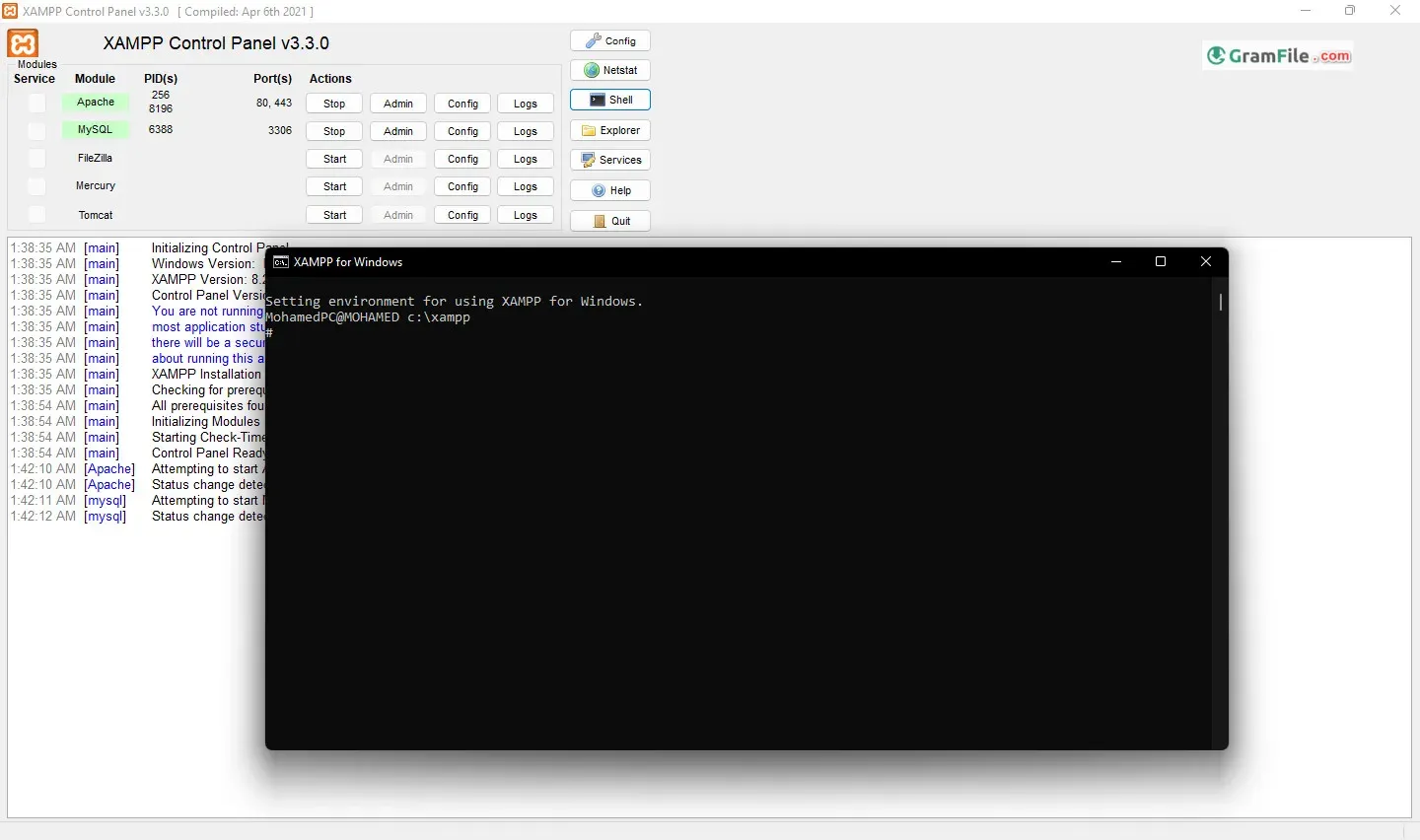
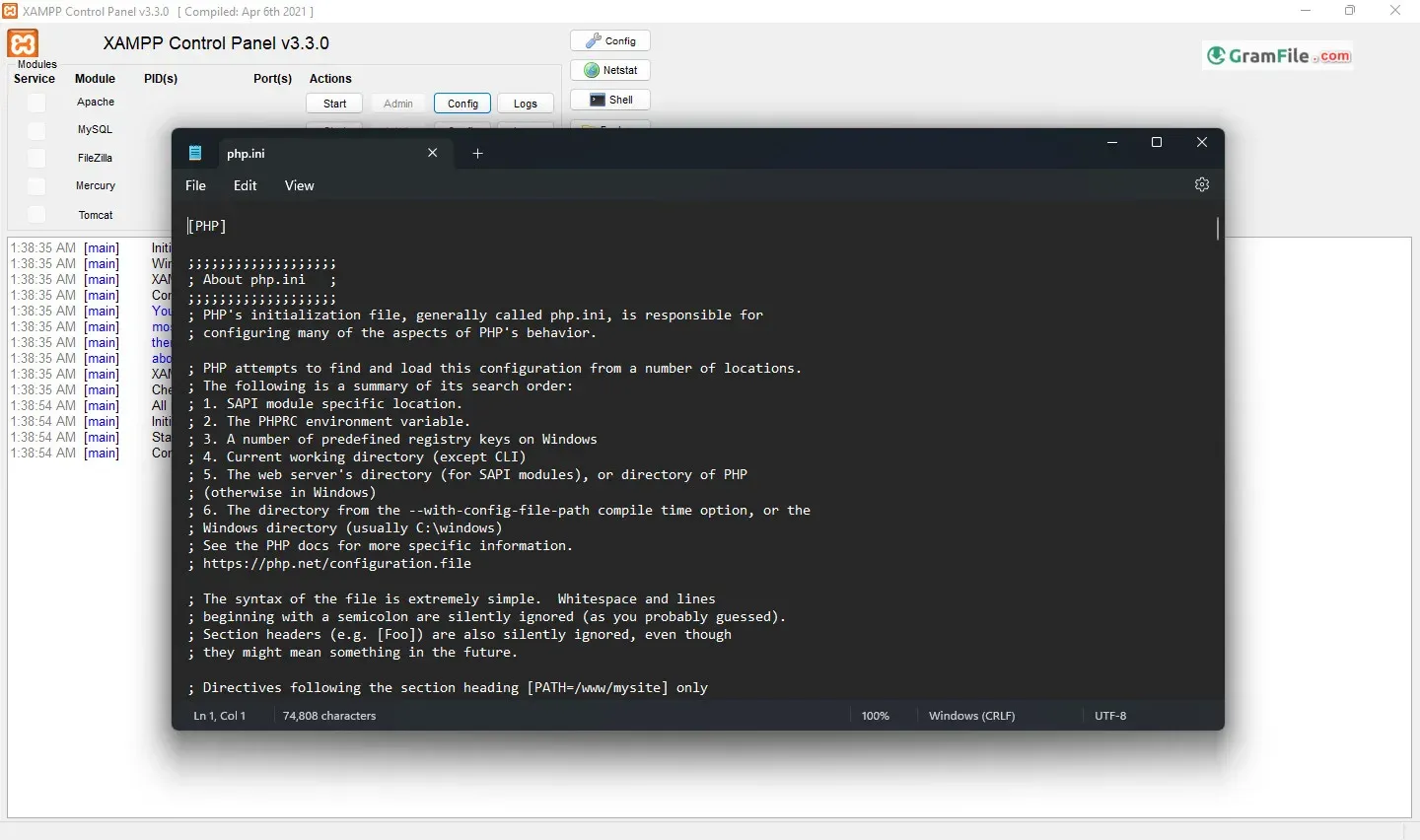
XAMPP is a free bundle that puts Apache, MariaDB, PHP and Perl on your PC through one installer. It lets you build and test websites locally, with no hosting account.
It suits students, beginners and anyone running WordPress or PHP projects offline. A control panel starts and stops each service with one click.
It is worth installing for development and learning. It is not meant for hosting a live public site.
What is XAMPP?
XAMPP is a local web server package from Apache Friends. The name stands for cross-platform, Apache, MariaDB, PHP and Perl.
It turns your Windows PC into a test server, so you can run dynamic sites without paying for hosting or going online.
One control panel for starting and stopping every service
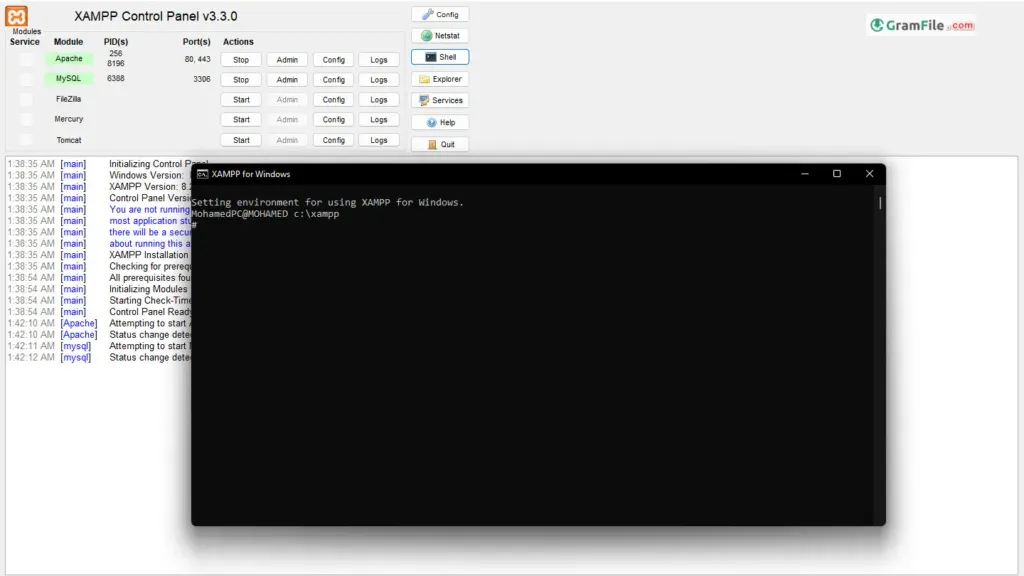
The Control Panel lists each module with Start and Stop buttons, plus shortcuts for configuration and logs.
That is all a beginner needs. The weak spot is feedback: when a service fails, the panel only shows a short log line, so you may need to read the error log to learn why.
What the bundle puts on your PC
- Apache: the web server that answers requests in your browser.
- MariaDB: a MySQL-compatible database for storing site data.
- PHP and Perl: the scripting languages, already configured to work with Apache.
- phpMyAdmin: a browser tool for creating and managing databases.
Putting a first site in htdocs and opening it on localhost
Your site files go in the htdocs folder inside the XAMPP directory. Each subfolder becomes an address under localhost.
So a folder named shop opens at localhost/shop once Apache is running.
Tip: keep one subfolder per project, and use phpMyAdmin to create a separate database for each.
Practicing WordPress and PHP projects offline
Because Apache, PHP and a database arrive together, XAMPP suits running WordPress, Joomla or your own PHP code locally.
You can edit and break things freely, then move the finished site to real hosting.
The bundled PHP is not fully patched
The latest XAMPP release ships a PHP build that is behind the current security patches from the PHP project.
Vulnerabilities fixed in newer PHP releases stay open in your local install until XAMPP publishes a package with the updated build.
On a PC used only for local testing behind a router, the risk is low. It grows if Apache can be reached from other devices or from the internet.
Tip: open a page that calls phpinfo() to see which PHP build you run, and keep Apache bound to localhost while you work.
Slow updates: why PHP fixes reach XAMPP late
New XAMPP releases do not follow a fixed schedule, so PHP security fixes often take a long time to land in the package.
There is also no built-in updater. Staying current means running a fresh installer yourself.
Tip: back up htdocs and export your databases first, then install the new release into a clean folder and copy your projects across.
MySQL shutting down unexpectedly and other database errors
The error people report most is “MySQL shutdown unexpectedly” in the Control Panel. It often comes from another MySQL service holding port 3306, or from damaged data files after the PC was switched off while the database ran.
Check the MySQL error log first, since it usually names the cause. If a second server uses the port, stop it or move XAMPP to another port.
If the data files are corrupted, restore them from a backup copy rather than deleting the data folder. A routine export from phpMyAdmin saves you here.
Another common one is “Access denied for user root” after you set a root password. The fix is to enter the same password in the phpMyAdmin configuration.
Port conflicts: why Apache sometimes refuses to start
Apache can also clash on ports 80 and 443 with another program, such as a web server or a service already on the PC.
Tip: stop the other program, or change the Apache port in its configuration file and open the site with that port in the address.
Is XAMPP safe to install?
The installer is checked with VirusTotal and came back clean.
The default setup is built for convenience, not security. The MariaDB root user has no password by default, so set one in phpMyAdmin if other devices share your network.
Why XAMPP is the wrong tool for a live website
The developers themselves position XAMPP as a development environment, not a production server.
Open defaults, an unpatched PHP build and manual updates make it a poor base for a public site. Use a proper hosting service or a hardened server setup, and keep XAMPP for testing.
When a lighter local stack makes more sense
XAMPP installs several modules you may never touch, and it uses more disk space than minimal tools.
If you want quick switching between PHP versions or automatic project addresses, check the alternatives in the table below.
How to Download & Install
Click the download button at the top of this page to get the XAMPP installer, an EXE file that includes every component.
Step 1: Save the installer, then open it with a double-click. Most modern PCs need the 64-bit build.
Step 2: If Windows shows a notice about User Account Control, click OK. On the welcome screen, press Next.

Step 3: Pick the components. Apache, MySQL (MariaDB), PHP and phpMyAdmin cover most projects, so untick modules you will not use, then press Next.

Step 4: Choose the installation folder and press Next. A short path directly on the C: drive works better than Program Files, which can cause permission trouble.

Step 5: Choose the language for the Control Panel and press Next.

Step 6: Press Next again to start the installation and unpack the files.

Step 7: Wait while the files are unpacked and installed.

Step 8: Windows Firewall asks for permission. Allow Apache on private networks, which is enough for local work.

Step 9: Click Finish. Leave the box ticked if you want the Control Panel to open right away.

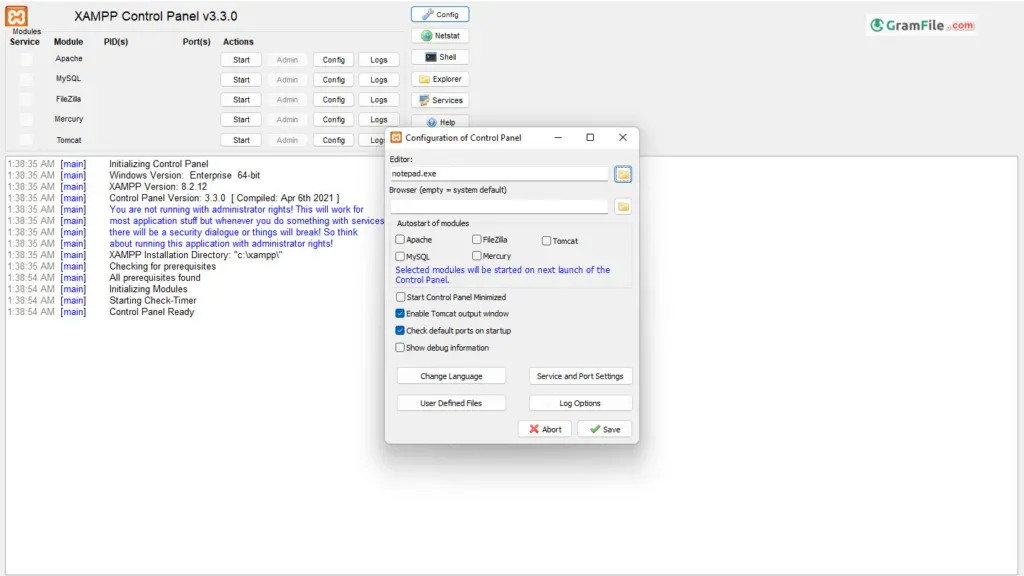
Step 10: In the Control Panel, click Start next to Apache and MySQL. Then type localhost in your browser to check that the server answers.
Installer types
XAMPP comes as one EXE installer that carries everything, so it works offline once downloaded.
The main build is 64-bit, which is what most Windows PCs need.
System requirements
- Windows 11, Windows 10, Windows 8.1 or Windows 7
- A 64-bit PC is the usual choice today
- Free space on the drive you pick for the install folder
- No license key or activation, since XAMPP is free
How to update
XAMPP has no built-in updater. You install a newer release by running the new installer.
Tip: before upgrading, copy your htdocs folder and export your databases from phpMyAdmin, so nothing is lost.
Fixing common install problems
- Apache will not start: another program is probably using port 80 or 443. Stop that program or change the port in the Apache configuration.
- MySQL will not start: a second database server may already use port 3306. Close it or switch XAMPP to another port.
- Missing DLL message: install the Microsoft Visual C++ Redistributable, then start Apache again.
Pros & Cons
What we liked
- Free and open-source
- Apache, MariaDB and PHP in one installer
- Simple control panel for services
- Works offline on your own PC
- Includes phpMyAdmin for databases
What we didn't like
- Bundled PHP lacks latest security patches
- Slow updates, manual reinstalls
- MySQL may shut down unexpectedly
Conclusion
4.1out of 5 · 118 user ratings
XAMPP is not the only way to run a local server on Windows, so it helps to compare it with similar tools.
Look at the platform, how much setup each needs and whether you want extras like version switching.
| App | Best For | Price | Platform | Standout Feature |
|---|---|---|---|---|
| XAMPP | Beginners and classroom use | Free | Windows, macOS, Linux | Apache, MariaDB, PHP and Perl in one installer |
| WampServer | Windows-only PHP development | Free | Windows | Tray menu for switching PHP and Apache versions |
| Laragon | Fast, lightweight local projects | Free | Windows | Automatic pretty URLs for each project |
| MAMP | Mac users who also work on Windows | Free, with a paid Pro tier | macOS, Windows | Same simple stack across both systems |
Final verdict
XAMPP remains an easy first step into PHP and database work, especially for learners and WordPress testers.
Use it for local development and keep live hosting elsewhere. If you want something lighter, try one of the alternatives above.
FAQ
Is the PHP in the latest XAMPP patched?
No. The latest release bundles a PHP build that is behind the current security fixes. Use it for local testing only and keep it off public networks.
Why does MySQL shutdown unexpectedly in XAMPP?
Usually another MySQL service holds port 3306, or the data files were damaged by a sudden power-off. Read the MySQL error log, stop the conflicting service, or restore from a backup.
Why does Apache fail to start in XAMPP on Windows 11?
Another program is most likely using port 80 or 443. Stop it or change the Apache port, then start the service again.
What is the default MariaDB password in XAMPP?
The root user has no password by default. Set one in phpMyAdmin if your PC shares a network with other devices.
Can I host a real website with XAMPP?
It is not recommended. XAMPP is made for local development, and its default settings and bundled PHP are not suited to public servers.
How do I update XAMPP without losing my projects?
Back up the htdocs folder and export your databases first. Then run the new installer and copy your files back if needed.
Found a problem with this download? Report an outdated version, broken link, suspicious installer or incorrect information.
Changelog - What's new in version 8.2.12-0
Hi Apache Friends!We just released a new version of XAMPP for Windows for PHP versions 8.2.12, 8.1.25 and 8.0.30. New versions for Linux and OS X will come soon! You can download these new installers at http://www.apachefriends.org/download.html as always.
These installers include the next main components:
- PHP 8.2.12, 8.1.25 or 8.0.30
- Apache 2.4.58
- MariaDB 10.4.32
- phpMyAdmin 5.2.1
- OpenSSL 3.1.3
- curl 8.4.0_6
- Tomcat 8.5.96
[Update 2023-11-25] New Linux installers now available:
- PHP 8.2.12, 8.1.25 or 8.0.30
- Apache 2.4.58
- MariaDB 10.4.32
- phpMyAdmin 5.2.1
- OpenSSL 1.1.1w
Do not miss the opportunity to contribute to the project! The code and resources are available at the GitHub Apache Friends project.
 Internet Download Manager
 Sumatra PDF
 IrfanView
 WinRAR
 PotPlayer
 Google Chrome