

Download Details
- Version
- 14.0.2015.10 (Service Pack 2) (latest)
- File size
- 254.09 MB
- License
- Free
- Developer
- Microsoft Corporation
- Supported OS
- Windows 11, Windows 10, Windows 7, Windows 8.1
- Installers
- 64-bit (x64), 32-bit (x86), Offline
- Downloads
- 21163
- Rating
- 4.3 out of 5 · 42 reviews
 Reviewed by Mohamed Zaki
Tested on Windows 11 and 10 · · How we review
Screenshots
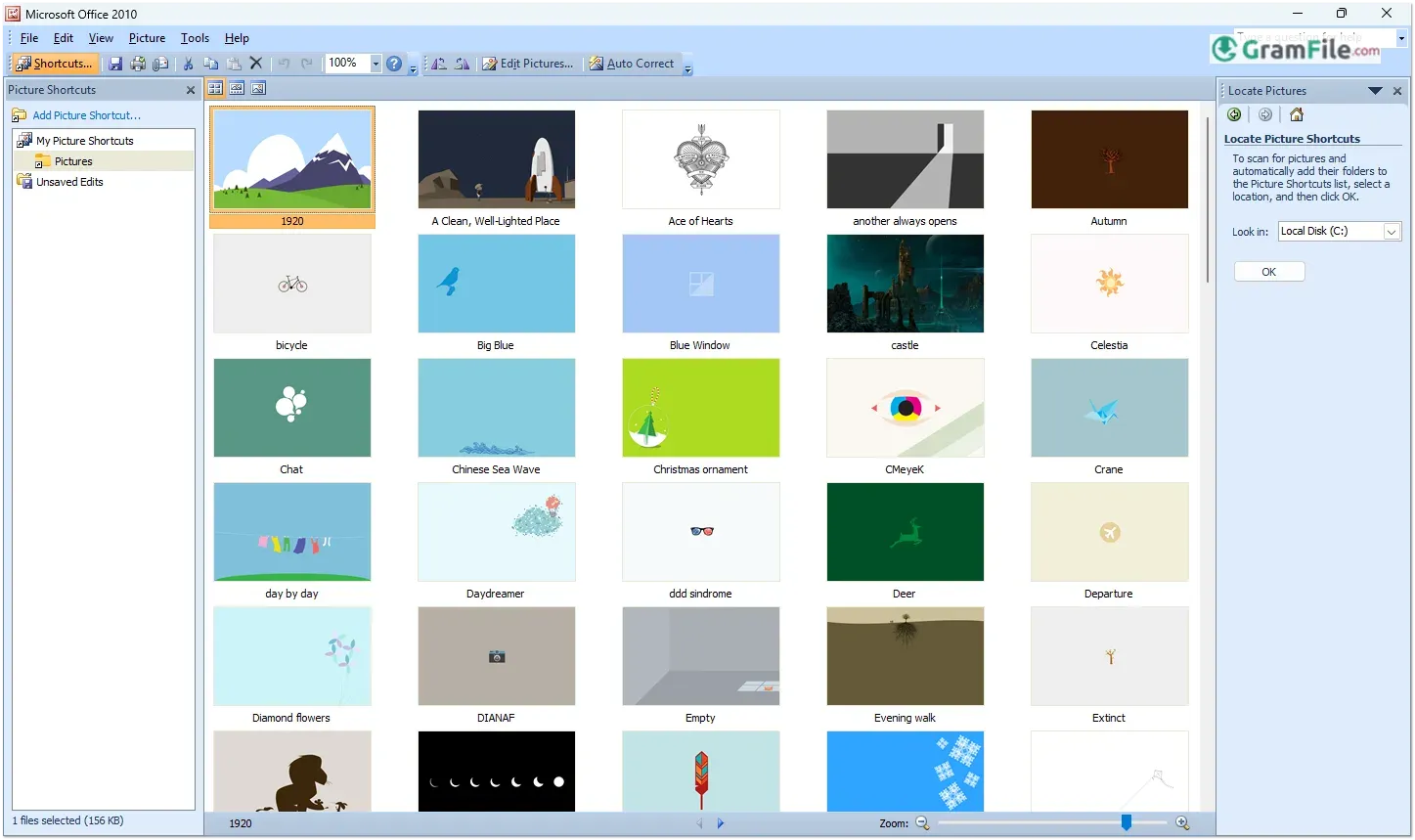
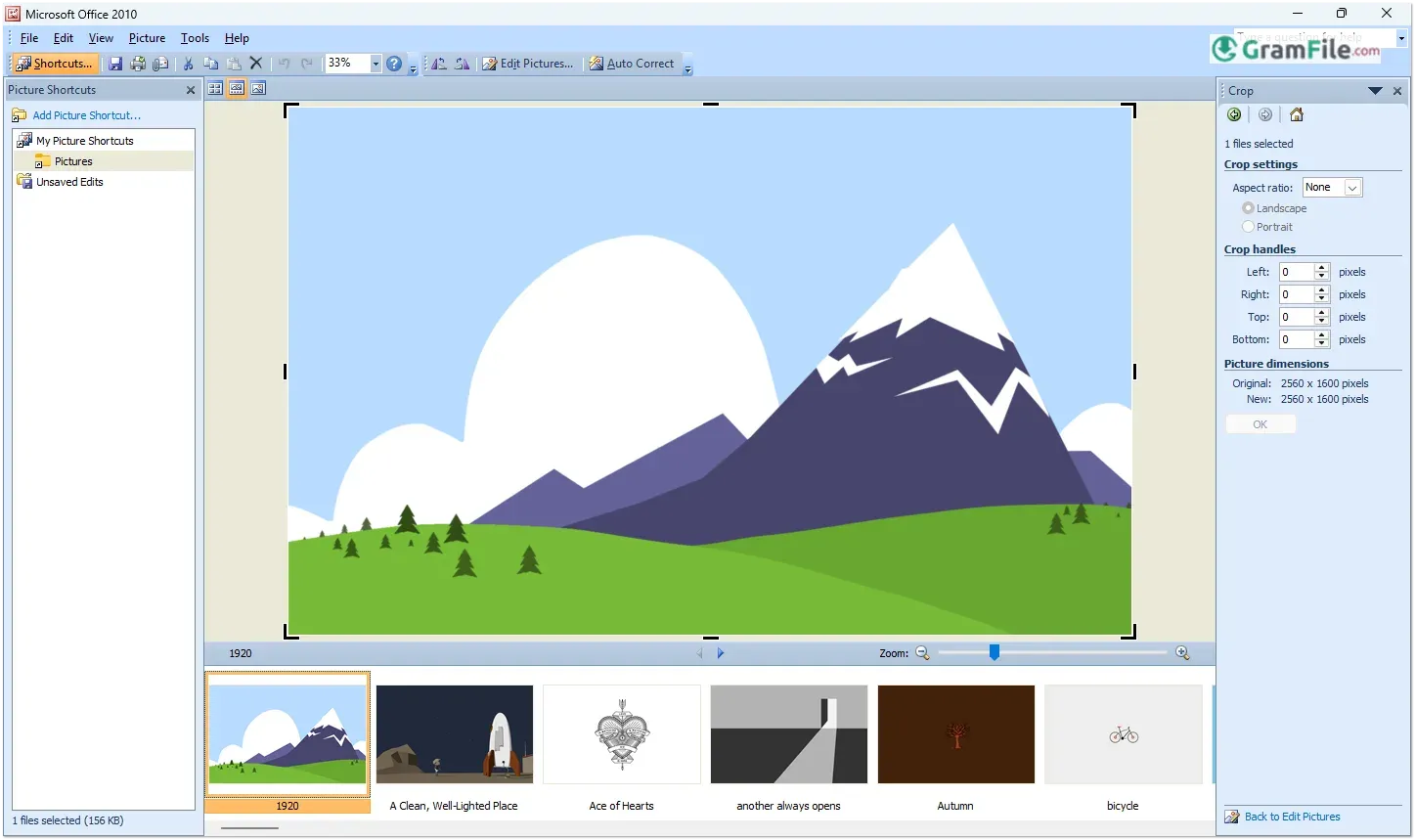
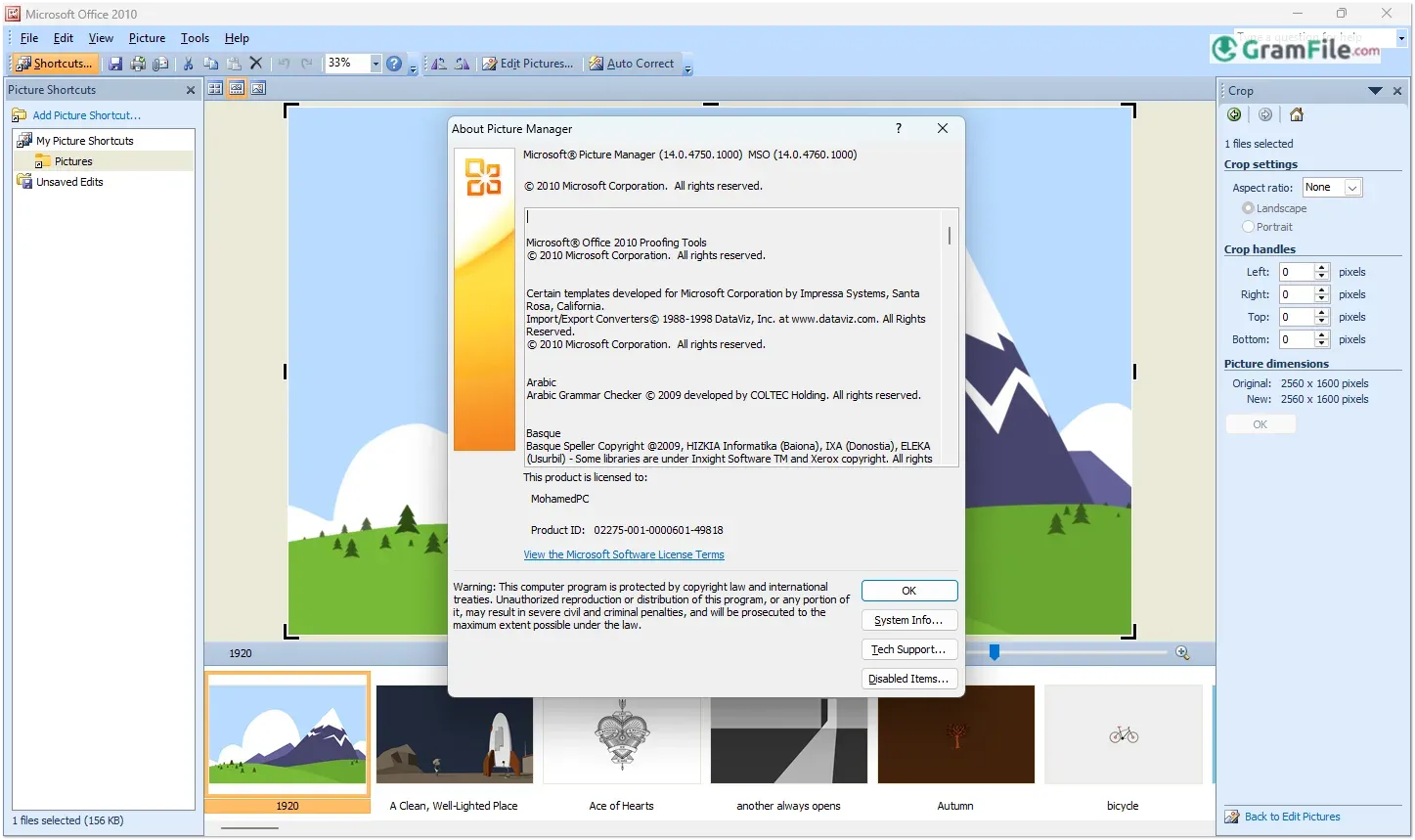
Microsoft Office Picture Manager was a straightforward, no-frills application included in older versions of Microsoft Office, designed for basic image viewing, editing, and organization.
Unlike advanced photo editors, it provided essential tools like cropping, resizing, brightness adjustment, and batch processing, making it a practical choice for quick image tasks.
Originally bundled with Microsoft Office 2003 as part of the “Microsoft Office Tools” suite, it served as a simple alternative to more complex software.
Though discontinued in later Office versions, it remained a favorite for users who needed fast, uncomplicated photo management without the learning curve of professional editors.
What is Microsoft Office Picture Manager?
Microsoft Office Picture Manager was a lightweight, no-frills image editing and organization tool bundled with older versions of Microsoft Office (2003–2013).
Designed for quick tasks like cropping, resizing, adjusting brightness/contrast, and batch renaming, it was a simple alternative to complex programs like Photoshop.
While discontinued in newer Office suites, it remains useful for users who need fast, straightforward photo adjustments without extra features.
2007 and 2010 Versions
Microsoft Office Picture Manager was a simple yet effective image management tool included with Office 2007 and 2010 suites.
While Microsoft discontinued it in later versions, many users still find it valuable for basic image editing tasks.
Compatibility with 64-bit Windows (10/11)
While originally designed for 32-bit systems, Office Picture Manager runs on 64-bit Windows with some limitations:
- ✅ Works on Windows 10/11 (64-bit)
- ⚠️ No native 64-bit version – runs in 32-bit compatibility mode
Key Features
- Basic Image Editing: Crop, rotate, and resize photos quickly.
- Color Correction: Adjust brightness, contrast, and color balance.
- Red-Eye Removal: Fix red-eye in portraits (limited effectiveness).
- Batch Processing: Edit multiple images at once.
- File Conversion: Save images in different formats (JPEG, PNG, BMP).
- Thumbnail View: Browse photos easily with previews.
- Simple Organization: Sort and manage images in folders.
- Email Integration: Send pictures directly via Outlook.
- Lightweight Performance: Runs fast even on older PCs.
- User-Friendly Interface: No complex menus, just straightforward tools.
- Microsoft Office Compatibility: Works seamlessly with Word, Excel, and PowerPoint.
- No Advanced Features: Lacks layers, filters, or touch support.
- Discontinued Software: No updates, but still functional.
Best for quick fixes, not professional editing.
How to Download & Install
Since it’s no longer officially available, installation depends on older Office versions. Here’s how to get it:
1. Click on the above Green Download Button for official and direct download. Save the downloader setup file – SharePointDesigner.exe – to your local drive.
2. Double click on the setup file to start the installation
3. Accept the terms of the agreement and click Continue.

4. Customize how Microsoft Office programs run
Imortant: To install only Microsoft Office Picture Manager, uncheck all other applications, ensuring only Picture Manager remains selected before proceeding.
Click ‘Install’ to begin the installation process.

5. Wait for the installer to finish, then click Close.

6. Once installed, launch the app from the Start Menu. When the welcome screen appears, select ‘Use Recommended Settings‘ for optimal security and stability.
System Requirements
- OS: Windows XP to 11 (32/64-bit)
- CPU: 500MHz+ processor
- RAM: 256MB minimum
- Space: 200MB free
- Display: 800×600 resolution
- Required: .NET Framework 3.5
- Source: Office 2003/2007/2010 only
*Runs in compatibility mode on Win10/11.*
Pros & Cons
What we liked
- Fast & lightweight
- Simple photo edits
- Batch processing
What we didn't like
- No longer updated
- Very basic features
- Old interface
Best Microsoft Office Picture Manager Alternatives


Conclusion
4.3out of 5 · 42 user ratings
Microsoft Office Picture Manager remains a no-fuss solution for basic image editing, lightweight, simple, and surprisingly capable for quick tasks.
While outdated, it still holds value for users who prioritize speed over features.
Why Choose Microsoft Office Picture Manager?
- Instant Usability: Zero learning curve; ideal for beginners
- Lightning-Fast: Opens and edits in seconds, even on old hardware
- Batch Simplicity: Resize/rename multiple images faster than modern apps
- No Bloat: Does exactly what’s needed—nothing more
Picture Manager vs. Modern Alternatives
| Feature | Picture Manager | IrfanView | Windows Photos |
|---|---|---|---|
| Speed | ⚡ Blazing fast | Fast | Slower |
| Complexity | Dead simple | Moderate settings | Simplified |
| Batch Tools | ✅ Basic but quick | ✅ Advanced | ❌ Missing |
| File Support | ❌ Old formats only | ✅ All major types | ✅ Modern formats |
| Security | ❌ No updates | ✅ Active development | ✅ Built into Windows |
Who Should Still Use It?
- Legacy PC users needing a zero-resource editor
- Office 2007/2010 holdouts who value workflow integration
- Quick-fix scenarios where modern apps feel excessive
Bottom Line
Picture Manager is like a reliable old pocket knife—limited but razor-sharp for its purpose. For most users, IrfanView (power + speed) or Windows Photos (safety + simplicity) are better choices today.
Found a problem with this download? Report an outdated version, broken link, suspicious installer or incorrect information.
 Zoom Workplace
 Nitro PDF Pro
 Sumatra PDF
 IrfanView
 K-Lite Codec Pack
 WinRAR