

Download Details
- Version
- 2.3.10 (latest)
- File size
- 150.8 MB
- License
- Free
- Security scan
- VirusTotal: 59 of 59 engines say OK (0 flagged)
- SHA-256 checksum
a8f3df0ac57c6b74aa1b1d22e5f202dc5ddb46663579d4e5108a69cc99b6f823- Developer
- Arduino
- Supported OS
- Windows 11, Windows 10
- Installers
- 64-bit (x64), Offline
- Downloads
- 6719
- Rating
- 4.7 out of 5 · 53 reviews
- File name(s)
- arduino-ide_2.3.10_Windows_64bit.exe
 Reviewed by Mohamed Zaki
Tested on Windows 11 and 10 · · How we review
Screenshots
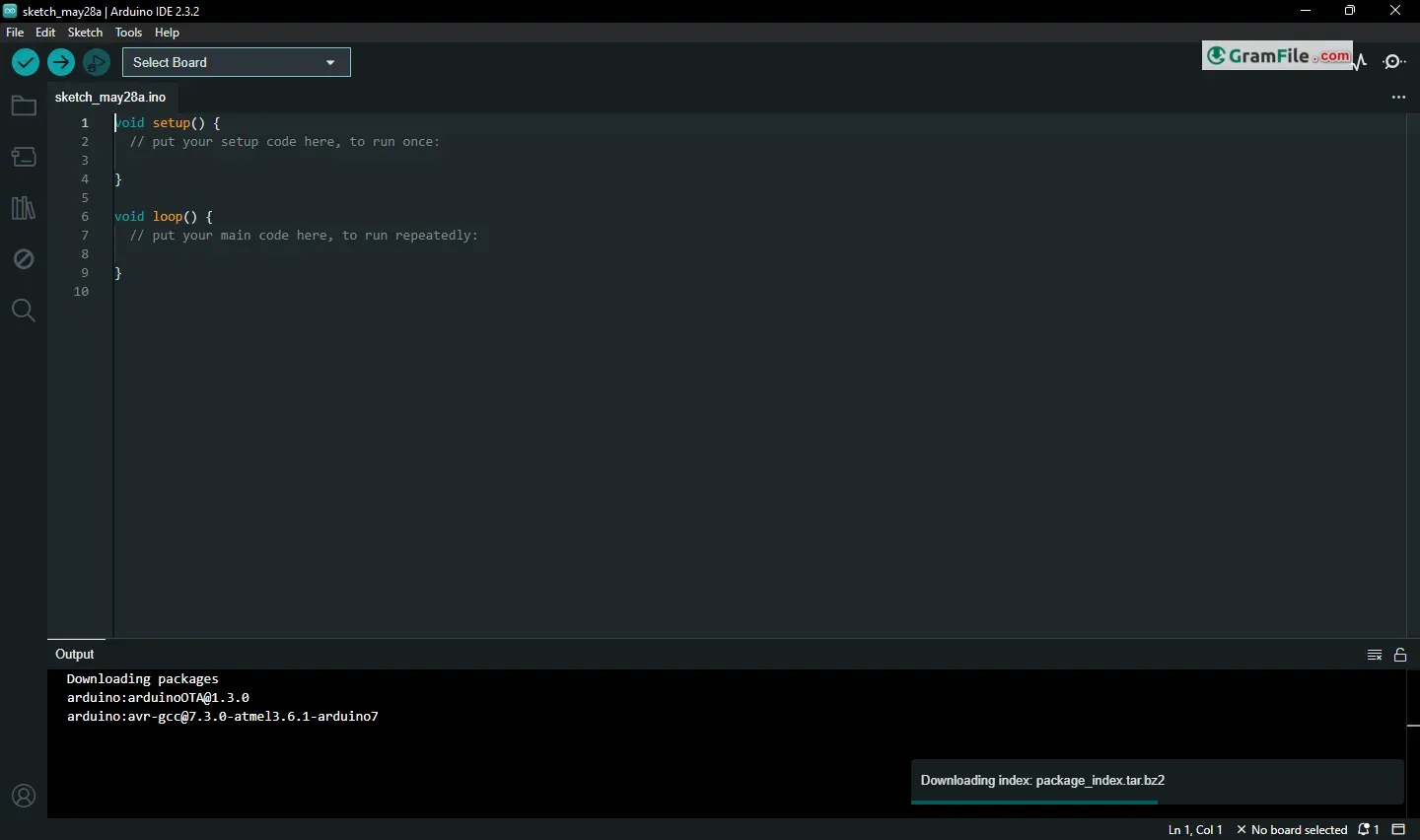
The Arduino IDE is a simple yet powerful software for programming Arduino microcontrollers.
Designed with ease of use in mind, it allows beginners and experts alike to write, debug, and upload code to Arduino boards effortlessly. Its clean interface, built-in library manager, and extensive hardware support make it a go-to choice for electronics projects.
Launched in 2005 as an open-source project, the Arduino IDE was created to make microcontroller programming accessible to everyone.
Built on Processing, it quickly became the standard tool for Arduino development, evolving over the years to support new boards and features while keeping its user-friendly approach.
The Arduino IDE for Windows PCs is a game-changer for electronics enthusiasts and hobbyists.
It’s a free, open-source software platform that simplifies the process of writing code and uploading it to Arduino boards, a popular family of single-board microcontrollers.
This review delves into the core functionalities, addresses troubleshooting tips, and explores the wider Arduino ecosystem.
What is the Arduino IDE?
At its heart, the Arduino IDE is an integrated development environment (IDE). It provides a user-friendly interface with:
- Code Editor: Write code (sketches) for your Arduino boards using a simplified version of C++.
- Compiler: Translates your code into a language the Arduino board understands.
- Uploader: Uploads the compiled code to your Arduino board.
Key Features
- Beginner-friendly C++: Learn to code by controlling lights and sensors.
- Rich Library Collection: Pre-written code for common tasks saves you time.
- Seamless Uploads: Transfer your code to Arduino boards with a click.
- Serial Monitor: Talk directly to your Arduino for debugging and data display.
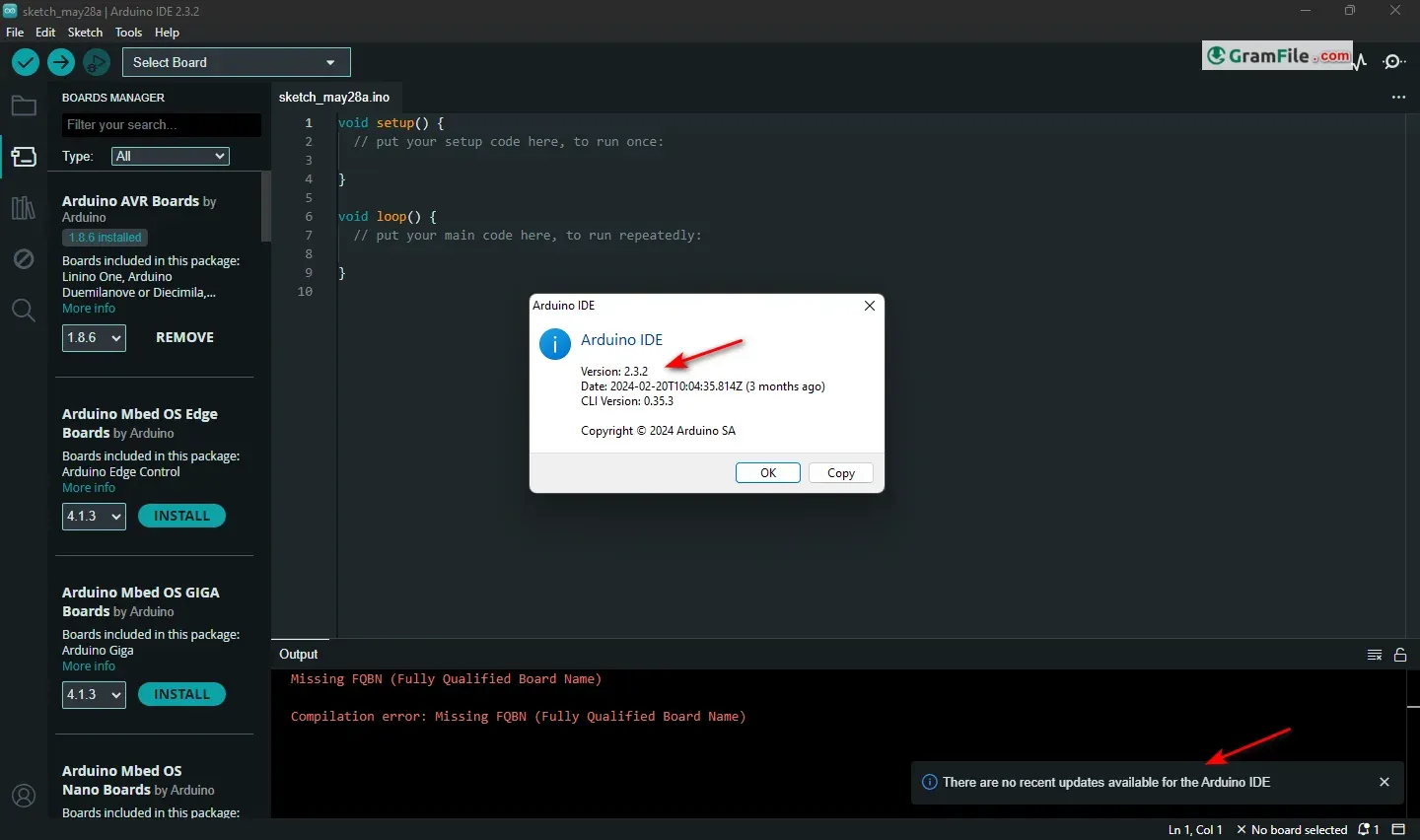
- Board Management: Effortlessly install and manage drivers for various Arduino boards.
- Open-source & Free: Join a supportive community and unleash your creativity.
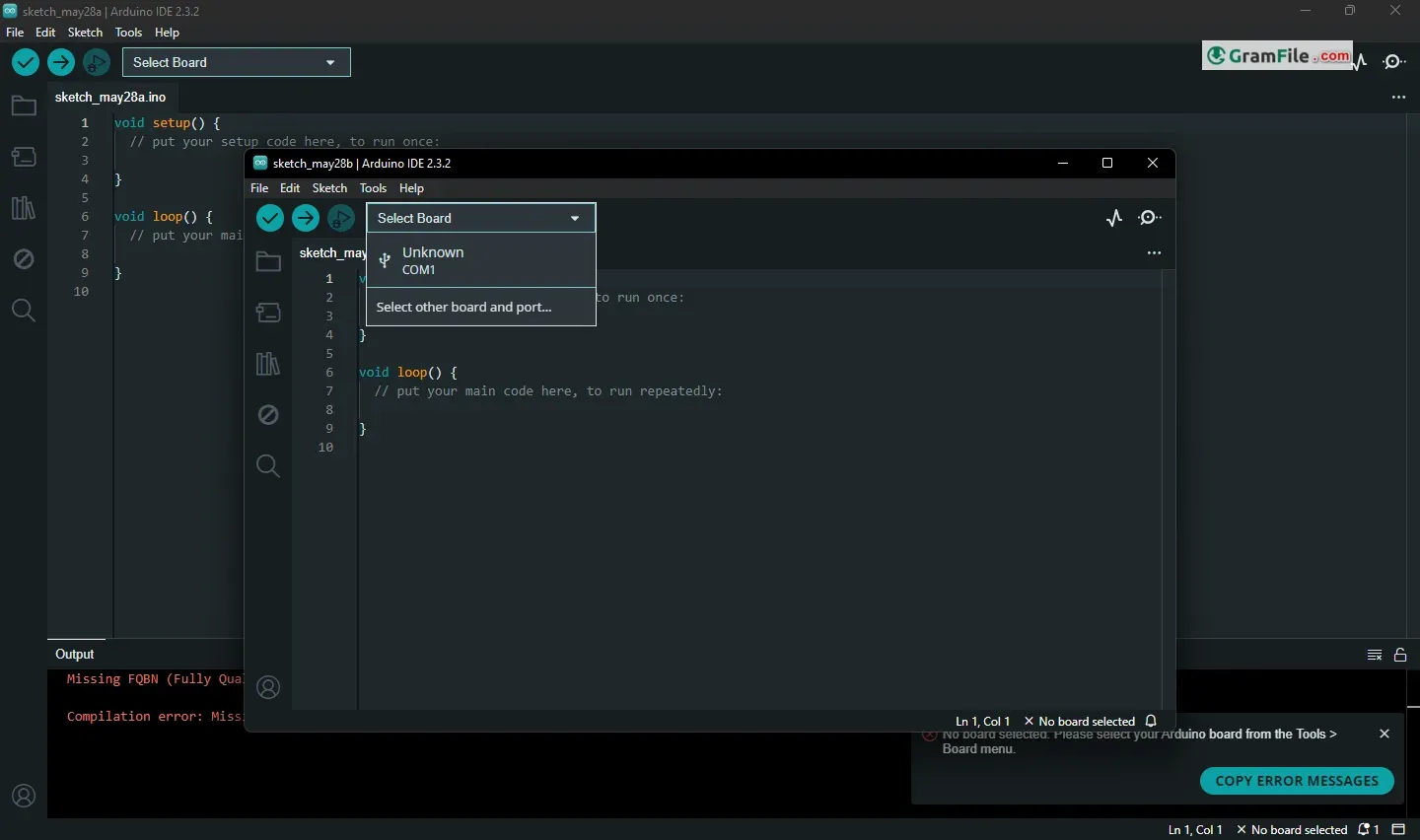
Troubleshooting: “No Ports Discovered”
Encountering the “No ports discovered” error can be frustrating. Here are some solutions:
- Check Hardware Connection: Ensure your Arduino board is properly connected to your PC via a USB cable.
- Select the Right Port: The IDE might not automatically detect the port. Navigate to Tools > Port and choose the port your Arduino board is connected to.
- Driver Issues: Verify you have the latest drivers installed for your specific Arduino board.
Is Arduino IDE C or C++?
Arduino code is written in a simplified version of C++. While it shares core elements, the Arduino IDE handles many complexities behind the scenes, allowing users to focus on the functionality they want to achieve.
Library Location
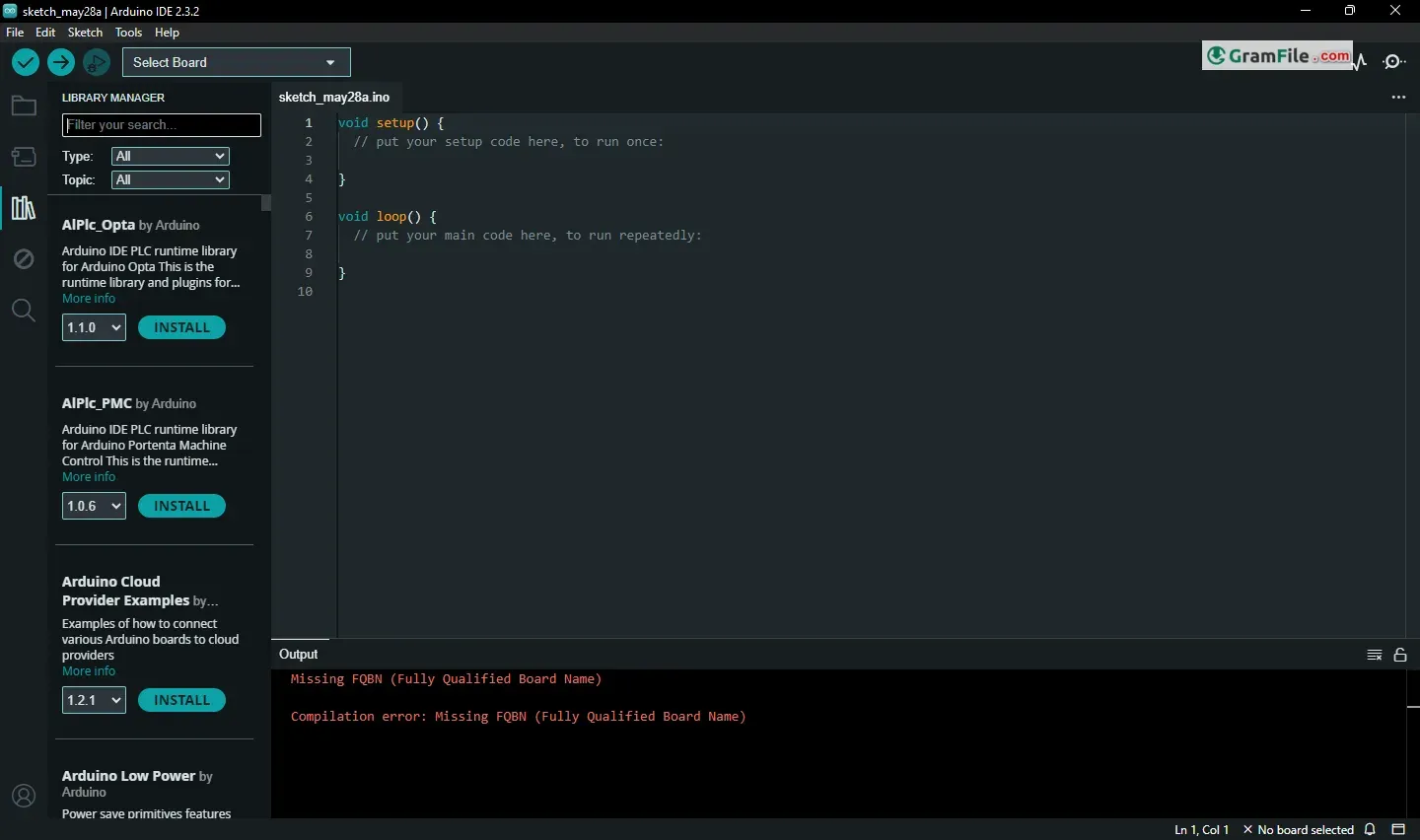
Arduino libraries are typically stored within the Arduino IDE’s installation directory. You can also install additional libraries from the Sketch > Include Library > Manage Libraries menu.
The Arduino Ecosystem: Beyond the Desktop
The Arduino world extends beyond the desktop IDE:
- Arduino Cloud: This online platform allows you to program and manage your Arduino boards remotely, perfect for projects requiring internet connectivity.
- Arduino Web IDE: Code directly in your web browser, eliminating the need for local software installation.
How to Download & Install
Downloading the Arduino IDE is the first step on your journey from electronics enthusiast to engineering maestro. Let the tinkering commence!
Downloading the Arduino IDE for Windows is a breeze. The official website offers a straightforward installer that takes care of everything, including drivers. But for those who prefer more control, an offline installer is also available.

Installation Made Simple
Step 1: Double-click the downloaded file then click Next.

Step 2: Choose whether you want the app to be installed for you only or for everyone. Then, Next.

Step 3: Click Install

Step 4 (Final Step): Click Finish and run the app

System Requirements
The Arduino IDE for Windows isn’t picky. A basic PC with a USB port and a thirst for invention is all you need to start blinking LEDs and buzzing sensors. It’s tinkering made accessible! Here’s a breakdown:
- Operating System: Windows 10 (64-bit) or newer versions are officially supported.
- Processor: A Pentium 4 processor or equivalent is sufficient.
- RAM: 256 MB of RAM is the minimum, but more is recommended for a smoother experience.
- Disk Space: You’ll need around 600 MB of free disk space for the IDE itself and potential project files.
- Java: The Arduino IDE relies on Java, so ensure you have Java 8u51 or a later version installed.
Pros & Cons
What we liked
- Easy code
- Rich libraries
- One-click uploads
- Free & open-source
What we didn't like
- Limited features
- Not for complex projects
- Occasional troubleshooting
Best Arduino IDE Alternatives
-
 Anaconda Navigator
A data science environment packed into a single installer.
-
 Visual Studio 2019
A versatile tool for building apps and software efficiently with smart coding features.
-
 Eclipse IDE
A development environment, and a structured space, where software engineers create applications.
-
 Visual Studio Code
A free, lightweight code editor with built-in debugging, extensions, and many more.
Conclusion
4.7out of 5 · 53 user ratings
The Arduino IDE for Windows is your shortcut to electronic invention. Forget complex coding – its beginner-friendly C++ and library arsenal empower you to build anything from blinking LEDs to sensor-driven marvels. Uploads are a breeze, and the software itself is lightweight, requiring minimal PC muscle.
Downloading and installing takes minutes. Unleash your inner maker – the Arduino IDE awaits!
Found a problem with this download? Report an outdated version, broken link, suspicious installer or incorrect information.
Changelog - What's new in version 2.3.10
### Changed- Bump Arduino CLI to 1.5.1 (#2920)
- Add clean compile/verify (with shift+click on the verify button) (#2923)
### Fixed
- In some cases, sketch code is not recompiled (cached) after being modified.
- Startup error due to missing CLI directory defaults (#2922)
 Zoom Workplace
 Nitro PDF Pro
 Sumatra PDF
 IrfanView
 K-Lite Codec Pack
 WinRAR