

Download Details
- Version
- 4.117.9818 (latest)
- File size
- 136.6 MB
- License
- Free
- Security scan
- VirusTotal: 53 of 53 engines say OK (0 flagged)
- SHA-256 checksum
dd56646e4cb7183c9144b9ee1c9ae1f4d24edbb5a92b04f5d9573ac00f80a992- Developer
- Apache Software Foundation
- Supported OS
- Windows 11, Windows 10, Windows 7, Windows 8.1
- Installers
- 64-bit (x64), 32-bit (x86), Offline
- Downloads
- 4034
- Rating
- 3.9 out of 5 · 37 reviews
- File name(s)
- Apache_OpenOffice_4.1.17_Win_x86_install_en-US.exe
 Reviewed by Mohamed Zaki
Tested on Windows 11 and 10 · · How we review
Screenshots
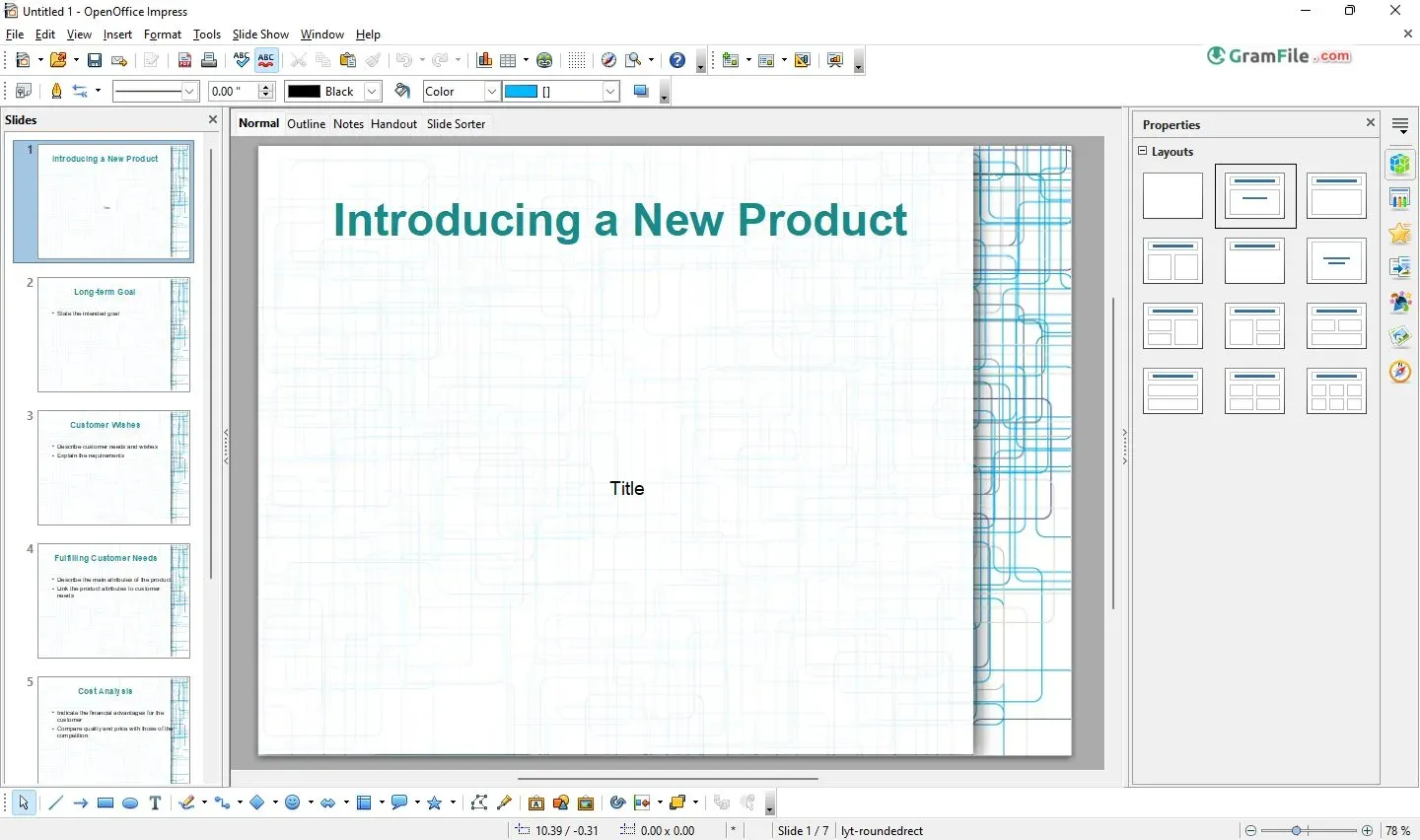
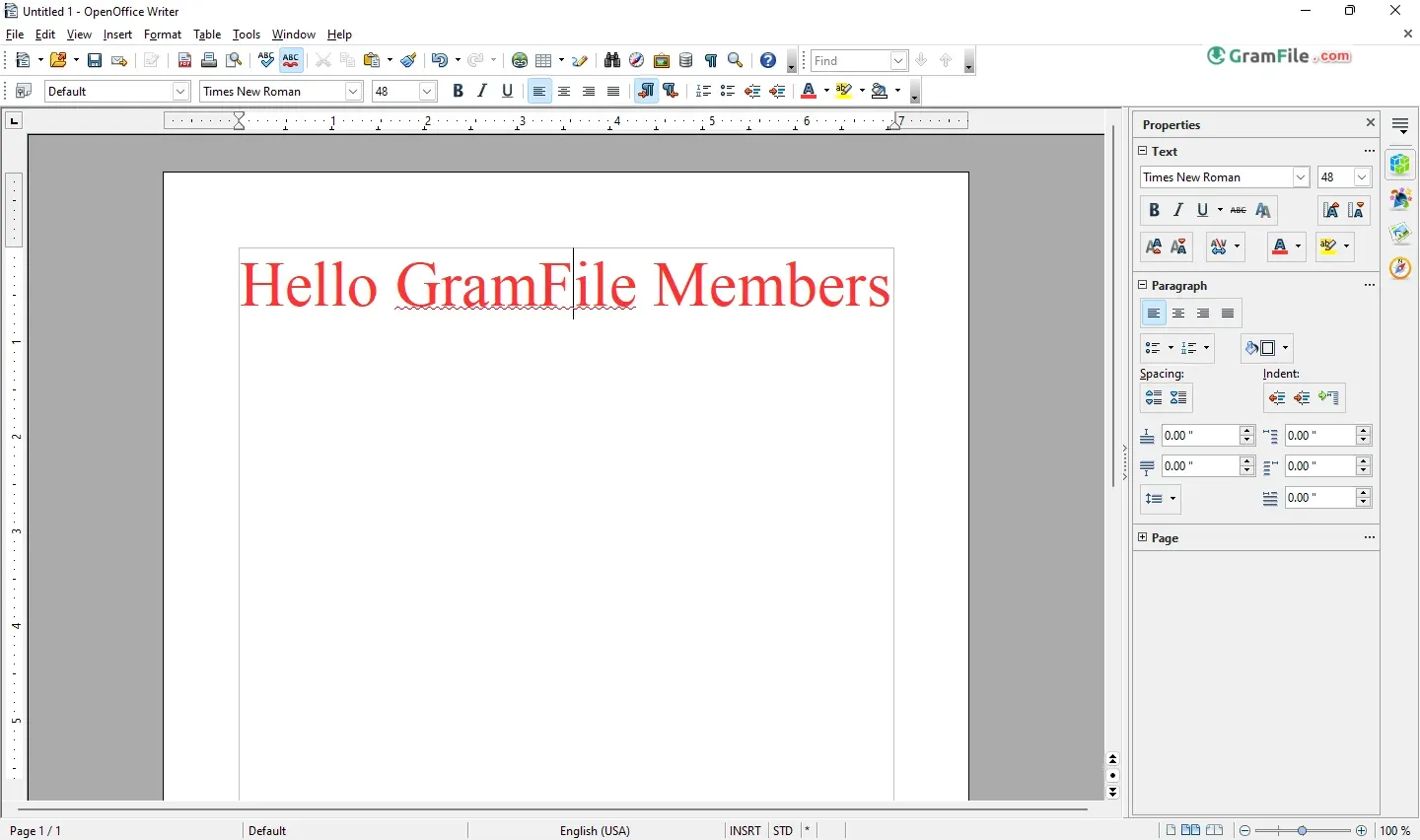
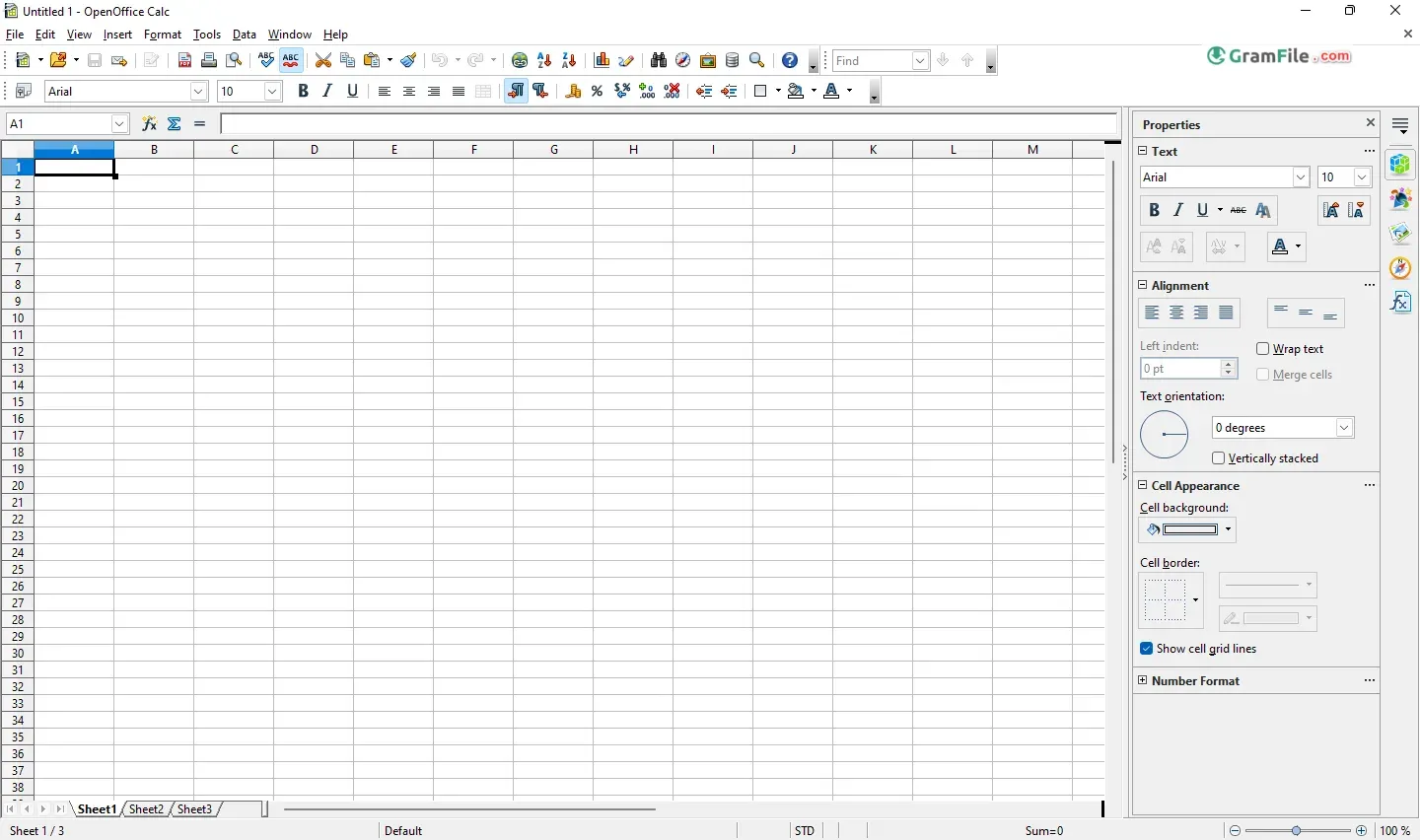
A free alternative to Microsoft Office, Apache OpenOffice for Windows lets you create and edit documents, spreadsheets, presentations, and more.
This open-source suite, with roots in Sun Microsystems, boasts over 20 years of history. It offers programs like Writer for documents, Calc for spreadsheets, and Impress for presentations, all compatible with popular file formats.
While not the flashiest option, Apache OpenOffice remains a powerful and free choice for Windows users.
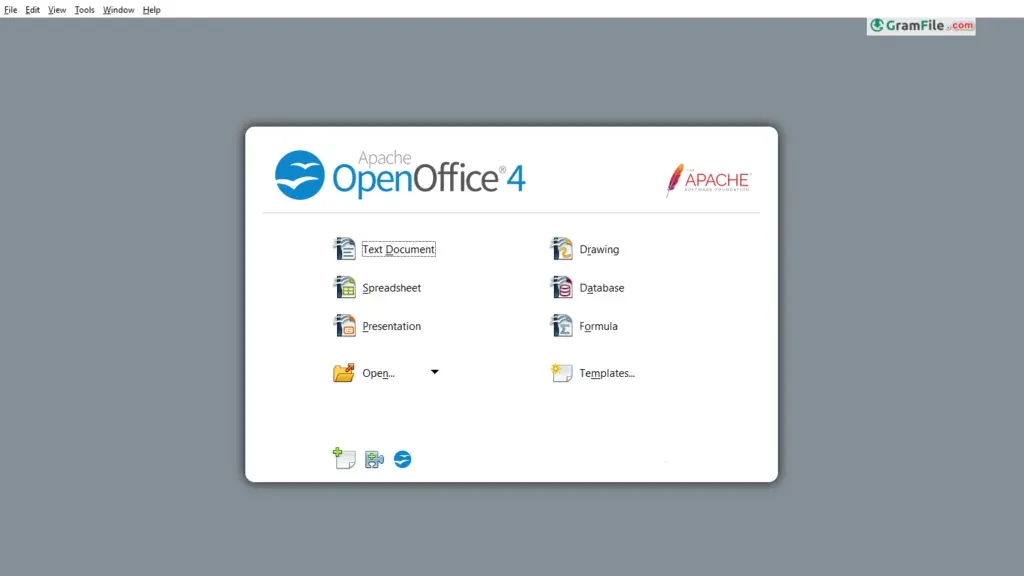
While it may lack the bells and whistles of its commercial counterparts, OpenOffice offers a surprisingly robust set of features that cater to a wide range of users. Let’s explore what OpenOffice has to offer and explore its key functionalities.
OpenOffice isn’t just a single program; it’s a comprehensive suite providing essential office applications.
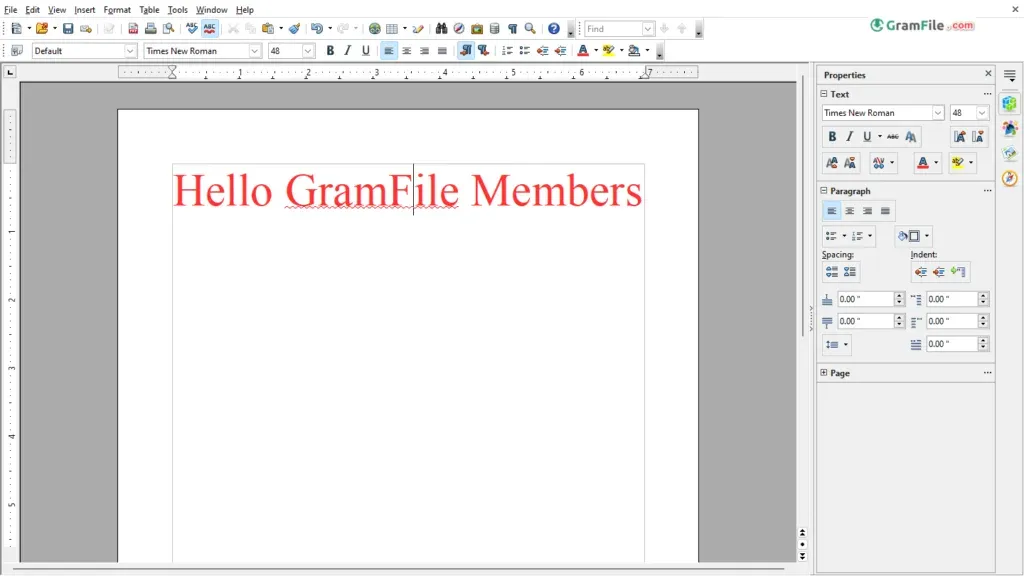
Writer serves as a capable word processor for creating documents, letters, and reports.
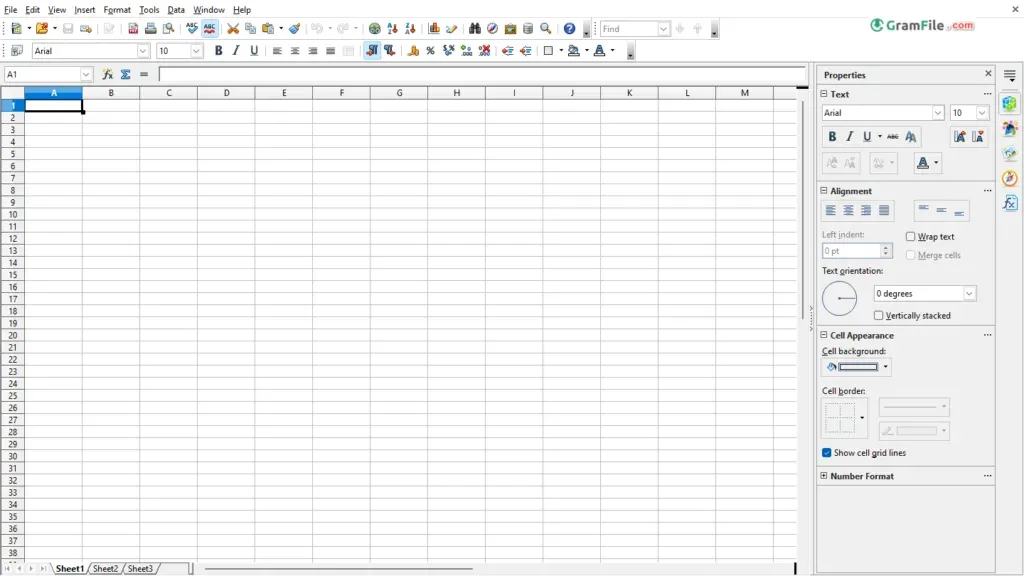
Calc, the spreadsheet program, tackles data analysis and financial calculations with ease.
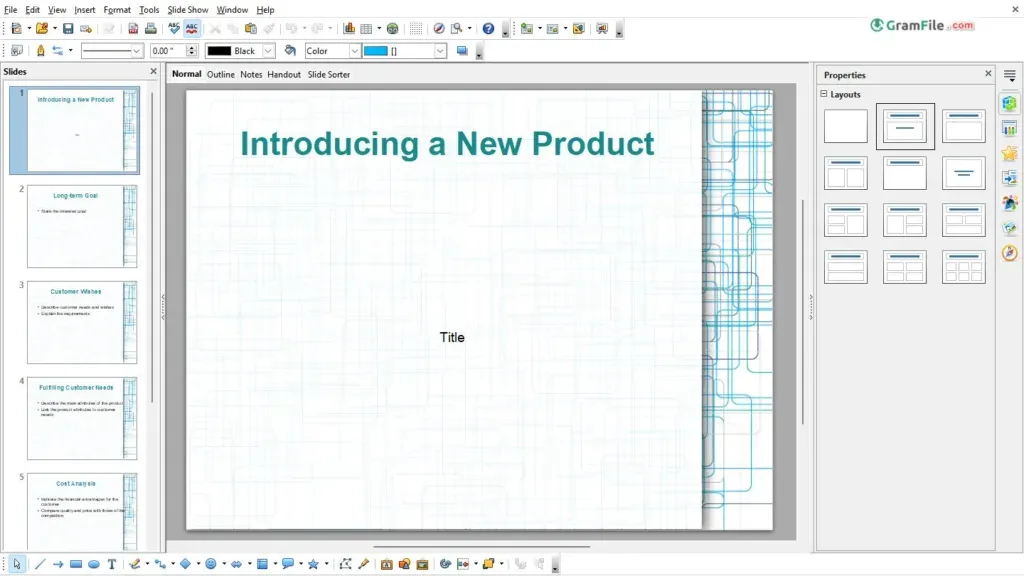
Impress, the presentation tool, allows you to craft compelling slideshows with multimedia elements.
Additionally, Draw offers vector graphics capabilities, Math provides a platform for composing mathematical formulas, and Base caters to database management needs.
Feature Focus
- Free & Feature-Rich: OpenOffice is a free, open-source suite with word processing, spreadsheets, presentations, graphics, and database management tools.
- Format Flexibility: Open seamlessly between DOC, XLS, PPT, and native OpenDocument Formats for effortless collaboration.
- Customizable Interface: Tailor menus, toolbars, and keyboard shortcuts for a personalized workflow.
- Extension Power: Enhance functionality with a vast library of extensions – from spellcheckers to niche format compatibility.
- Cost-Effective Champion: Free to download and use, making it ideal for individuals, students, and budget-conscious organizations.
OpenOffice vs. LibreOffice: Free Office Suite Showdown
OpenOffice: The OG of free office suites. Reliable, works offline, opens common formats. Think of it as a sturdy, dependable workhorse.
LibreOffice: The modern descendant. More frequent updates, sleeker interface, potentially better compatibility. Imagine it as a faster, more stylish version of OpenOffice.
Choose OpenOffice if:
- You prioritize offline capabilities.
- You value a simple, no-frills interface.
- You’re comfortable with a slightly older program.
Choose LibreOffice if:
- You want the latest features and bug fixes.
- You prefer a more modern-looking interface.
- You need compatibility with the most recent file formats.
How to Download & Install
OpenOffice stands tall as a free, open-source office suite for Windows PCs. Here’s a breakdown of how to download and install:
- Straightforward download from the official Apache Software Foundation website.
- Offline Installer: No internet connection needed for installation, ideal for limited bandwidth environments.
- 64-bit and ARM64 Not Available: Currently runs as a 32-bit application, making it compatible with most Windows versions but not optimized for newer 64-bit or ARM64 systems.
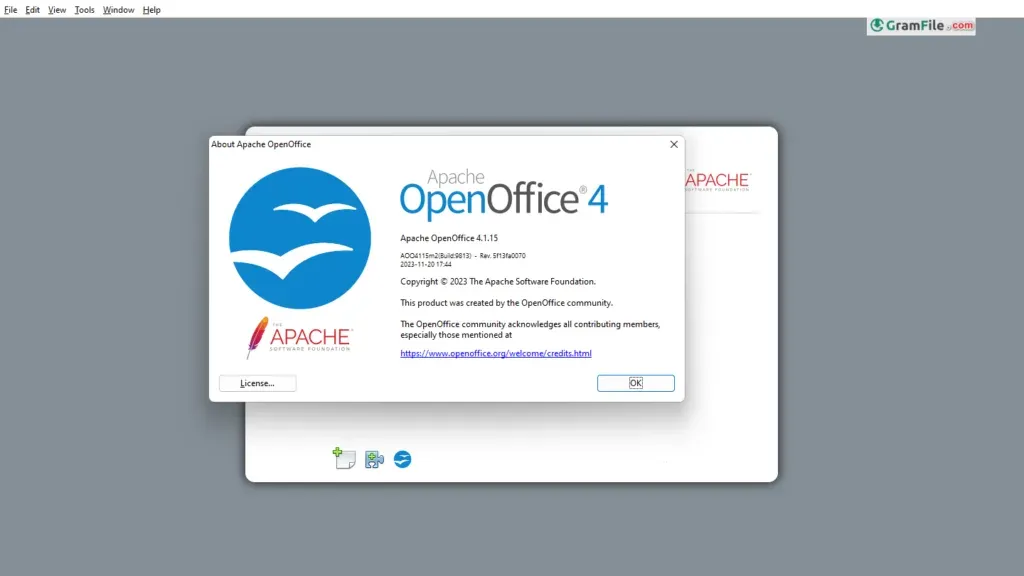
How to Install OpenOffice?
Step 1: Double click on the setup file, then NEXT to start the installation.
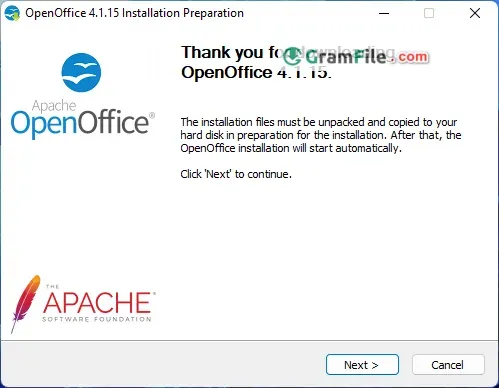
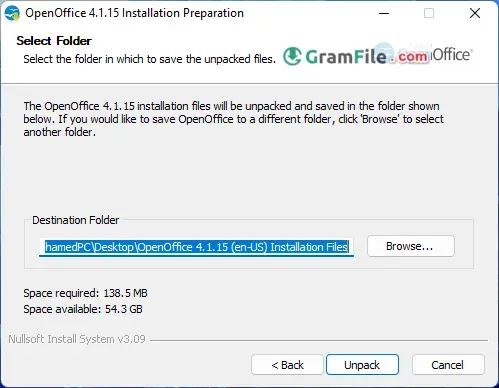
Step 2: Unpack
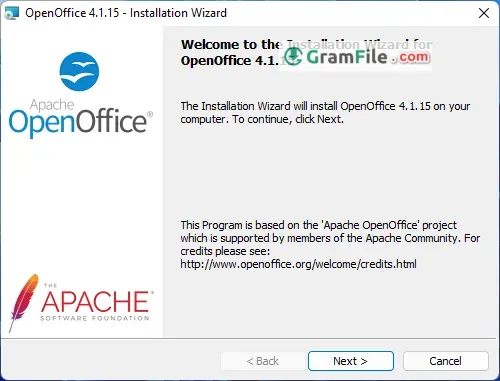
Step 3: Click NEXT
Step 4: Put your desired Username
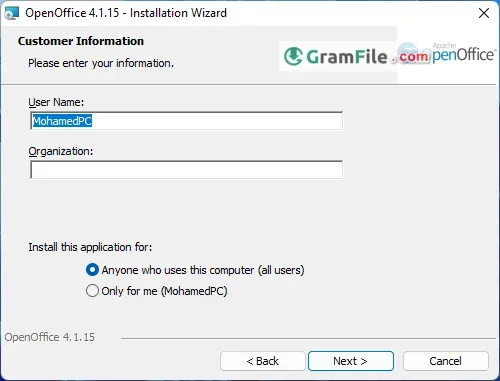
Step 5: Choose your desired type of installation. Don’t know? then, leave the typical installation checked.
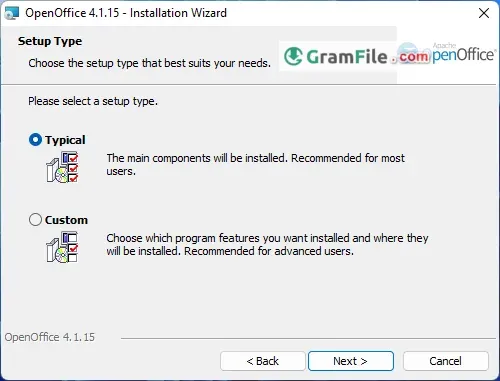
Step 6: Start installation
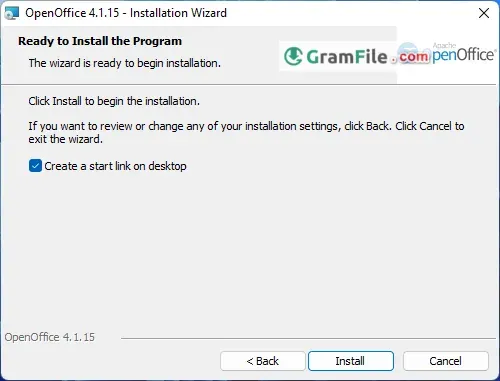
Step 7 (Final Step): Finish installation.
Compatibility and License
- File Format Freedom: Opens and saves documents in popular formats like DOC, XLS, and PPT, ensuring smooth collaboration with other office suites.
- Open-Source Advantage: Free to download and use for any purpose, making it a budget-friendly option for individuals and organizations alike.
- License for Everyone: Open-source license allows for modification and distribution, fostering a vibrant community that contributes to ongoing development.
System Requirements
System requirements for OpenOffice on Windows will depend on the specific version you choose. Here’s a quick breakdown:
- Windows 10 or above
- 512 MB RAM
- 650 Mbytes of free disk spaceor above
- 1024 x 768 or higher resolution
Pros & Cons
What we liked
- Free and open-source
- Versatile and lightweight
- Customizable
- Works without an internet connection
What we didn't like
- Dated look
- Slower updates
- Limited cloud
- Extensions needed
- No 64-bit/ARM64
Best OpenOffice Alternatives
-
 Microsoft 365 (Office)
Rents you the latest Office apps with cloud storage for always-on access.
-
 Microsoft Office 2024
A one-time purchase offline installer - Pro Plus 64-bit office suite.
-
 Microsoft Office 2016
A stable desktop office suite with smart cloud sharing and collaboration features.
-
 Microsoft Office 2021
A one-time purchase offline setup of Word, Outlook, and PowerPoint (2021).
Conclusion
3.9out of 5 · 37 user ratings
While OpenOffice may not be the flashiest option on the market, its robust feature set, excellent compatibility, and zero cost make it a compelling choice for users seeking a reliable and versatile office suite.
It’s perfect for those who prioritize functionality and affordability over cutting-edge features and cloud-based solutions.
OpenOffice prioritizes offline functionality and affordability. While it lacks native 64-bit or ARM64 support, its compatibility with common file formats and open-source nature make it a compelling choice for users seeking a free and reliable office suite.
The Verdict
OpenOffice offers a powerful, affordable office suite for those who prioritize functionality and value over cutting-edge features and cloud solutions.
Ideal for: Budget-conscious users who prioritize core functionality over flashy features and cloud integration.
Found a problem with this download? Report an outdated version, broken link, suspicious installer or incorrect information.
Changelog - What's new in version 4.117.9818
Apache OpenOffice 4.1.17 is a Security and Bugfix Release, incorporating other bug fixes and little enhancements. All users of Apache OpenOffice 4.1.16 or earlier are advised to upgrade. You can download Apache OpenOffice 4.1.17 here. Windows 10 and 11 users will soon be able to get Apache OpenOffice for selected languages in the "Microsoft Store" App.Please review these Release Notes to learn what is new in this version, as well as important remarks concerning known issues and their workarounds.
Only use the original website "https://www.openoffice.org/download/" to download. The installed software can be verified with the About box (see menu "Help - About OpenOffice") by comparing the numbers with the reference data on the download webpage (see the text in the light green box). For Apache OpenOffice 4.1.17 it has to be "AOO4117m2 | Build ID 9818 | Rev. 49c05bc6fd".
 Zoom Workplace
 Nitro PDF Pro
 Sumatra PDF
 IrfanView
 K-Lite Codec Pack
 WinRAR